- You have no items in your shopping cart
- Continue Shopping
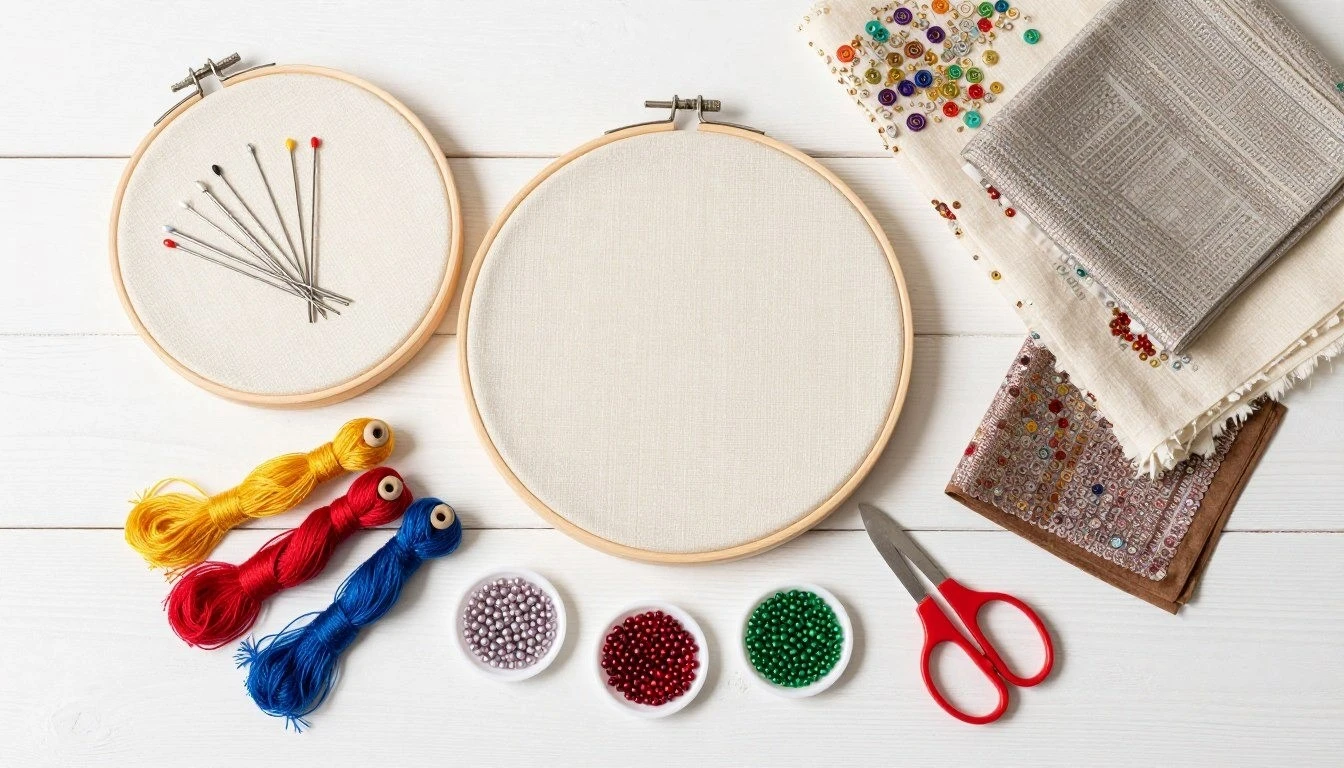
Aari work is a beautiful form of embroidery that involves intricate designs created using a special hooked needle. It is widely used in designing sarees, blouses, lehengas, and other traditional outfits. If you are new to this craft, understanding the right aari work materials for beginners is the first step to getting started confidently.
Many beginners feel confused about what to buy and how to choose the right materials. This guide will help you understand the essential tools and supplies required to begin your aari work journey.
What is Aari Work?
Aari work is a type of hand embroidery done using a special needle. It helps create neat and fast designs compared to regular stitching. Today, many people learn aari work as a hobby or even start small businesses from home.
Beginner Tip: Start with simple designs before attempting complex patterns. Practice basic chain stitches on cotton fabric to build confidence with your aari needle technique.
Essential Aari Work Materials for Beginners
You don’t need expensive tools in the beginning. Start with these basic materials:
Aari Needles and Hooks
Aari work requires the right type of needle or hook to achieve neat and professional designs. There are mainly four types of Aari needles, each designed for a specific purpose:
1. Thread Needle
Thread needles are used for basic thread work in Aari embroidery. They are ideal for creating smooth chain stitches and simple patterns using silk or cotton threads.
2. Bead Needle
Bead needles are specially designed for adding beads to your design. These needles help in neatly attaching beads, stones, and other embellishments, making your work more decorative and attractive.
3. Zardosi Needle
Zardosi needles are used for heavy embroidery work like zardosi designs. They are perfect for working with metallic threads, zari, and other rich materials commonly used in bridal and festive embroidery.
4. Tulip Needle
Tulip needles are the most versatile and commonly used Aari needles. They can be used for thread work, bead work, and even light zardosi work. Tulip needles come in various sizes such as 13, 14, 23, 24, etc., allowing you to choose the right size based on the thickness of thread or type of design.
Using the correct needle not only improves the quality of your Aari work but also makes the process easier and more efficient.
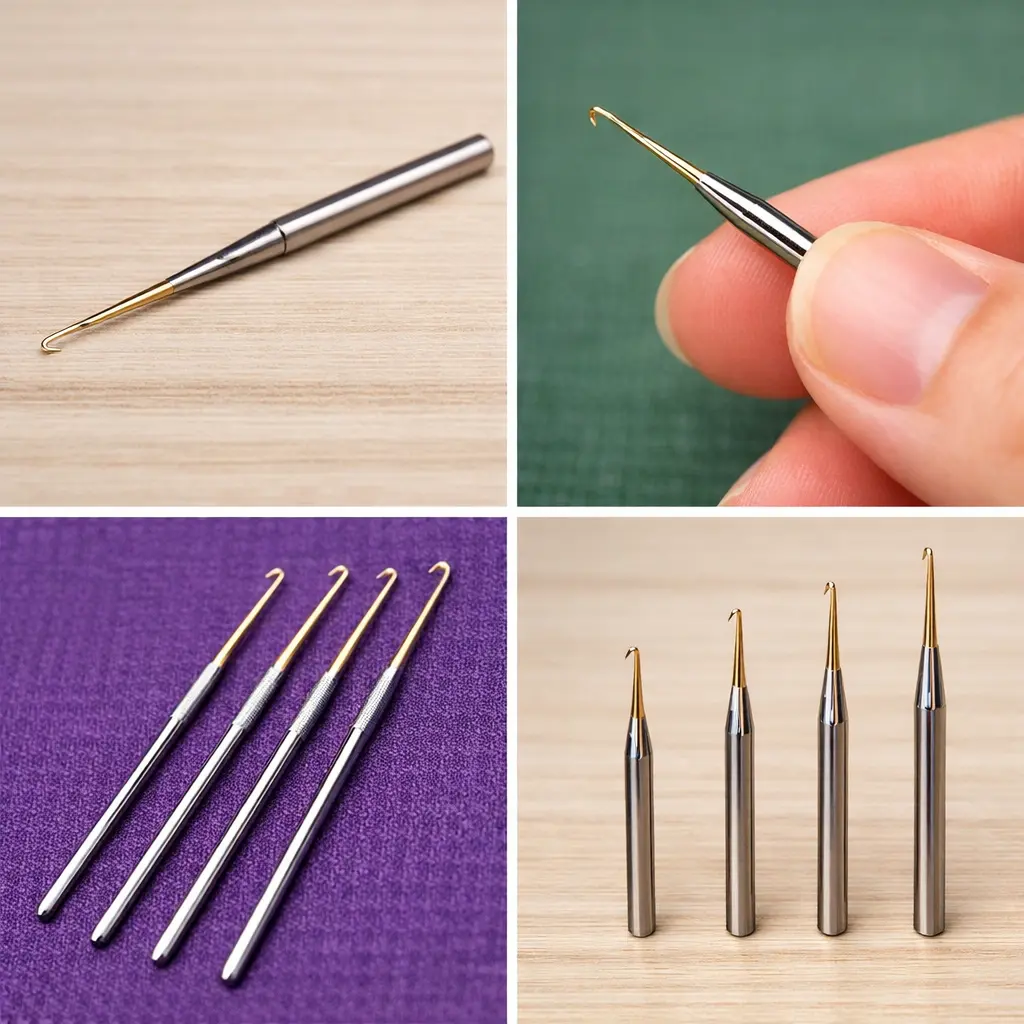
Tip: Beginners should choose a medium-size needle because it is easy to handle.
Embroidery Frames and Hoops
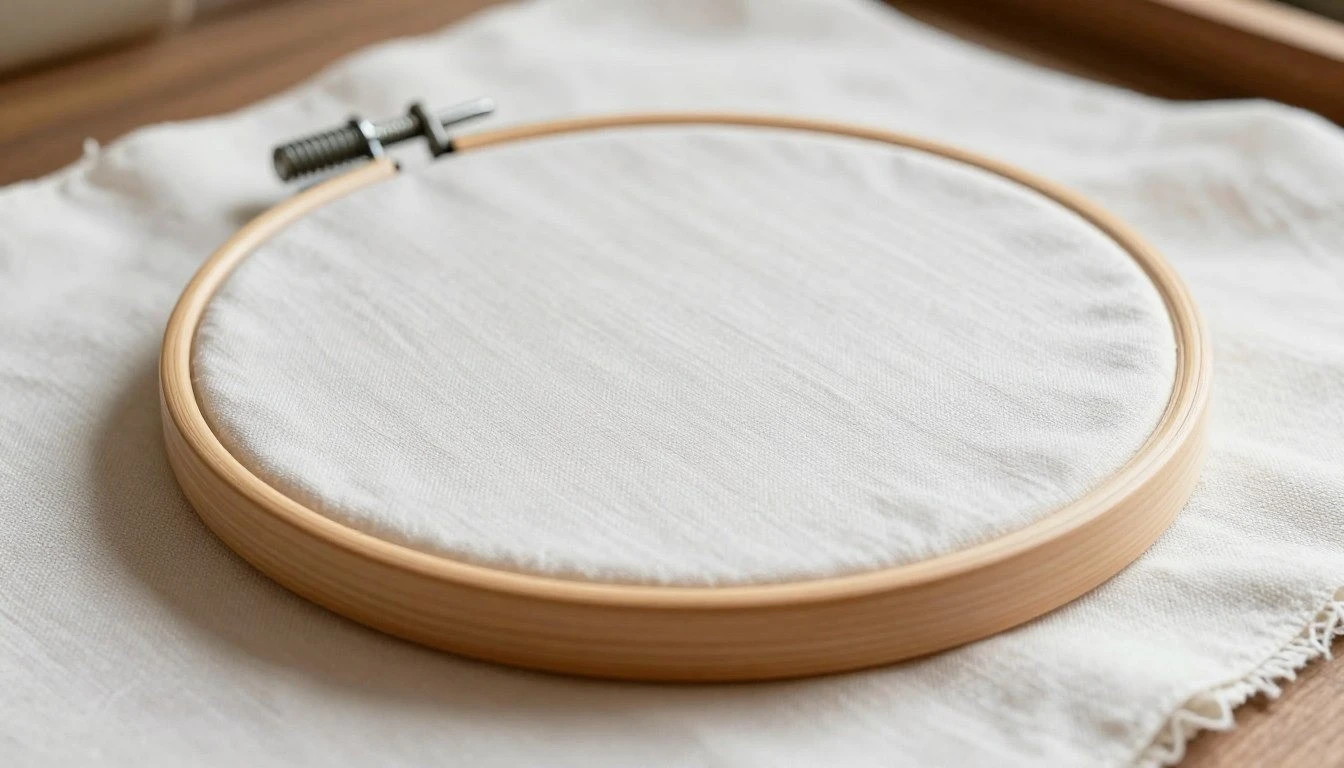
An embroidery frame holds the fabric tightly. This helps you do neat and even stitching.
Wooden Hoop Frames
Classic choice offering excellent grip. Natural wood is gentle on fabric. Adjustable screw maintains consistent tension throughout your project.
Stand-Mounted Frames
Freestanding frames free both hands for work. Ideal for intricate aari work requiring precision. Height-adjustable models accommodate different working positions.
Tabletop Frames
Compact frames clamp to work surface. Perfect for small spaces and portable crafting. Provides stability without floor space requirements.
Pro Tip: Invest in a stand-mounted frame if you plan regular practice. The hands-free setup significantly improves stitch quality and reduces fatigue during extended embroidery sessions.
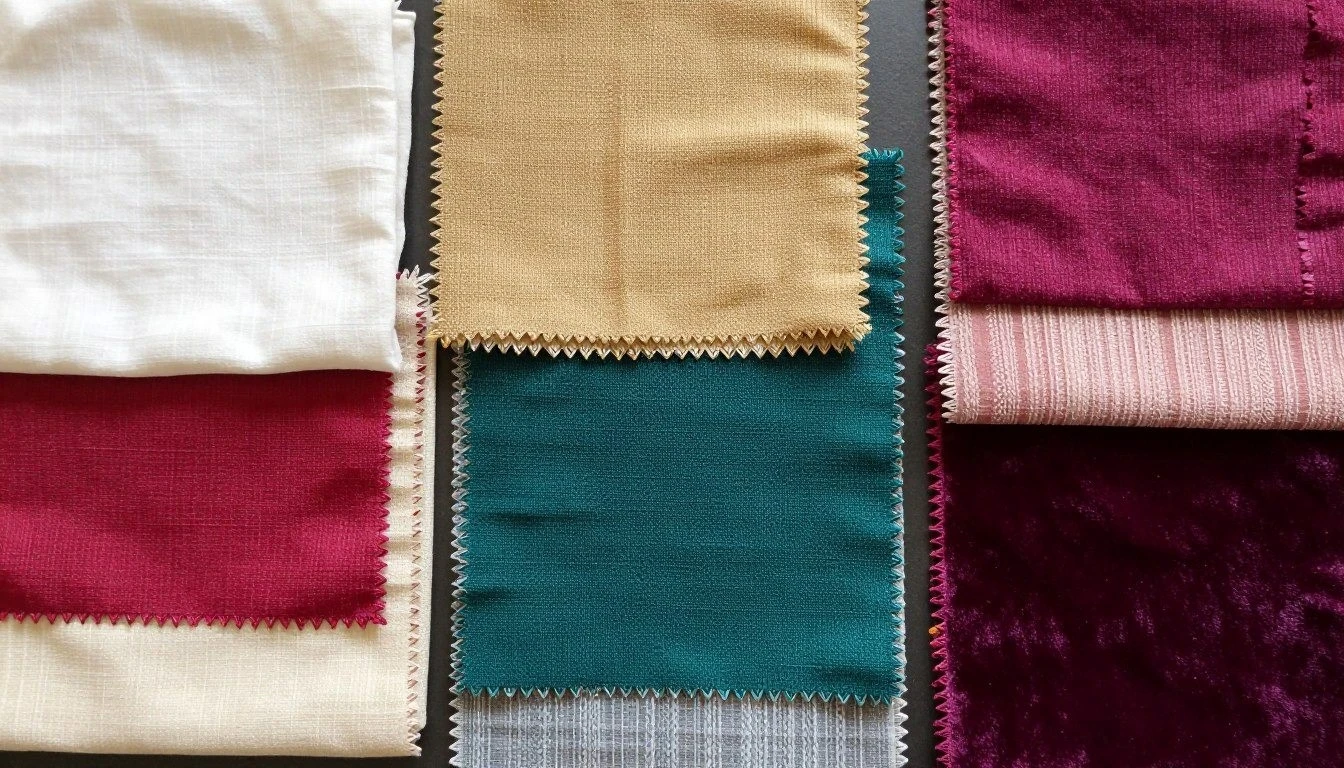
Selecting the Right Fabric
Fabric is where you do your design. Cotton fabric is best for beginners because it is easy to work with. Later, you can try silk or net fabrics.
Fabric Preparation
Wash cotton fabric before embroidery. This prevents shrinkage after completing work. Iron fabric smooth for even tension.
Mark your design on fabric clearly. Use water-soluble markers for easy removal. Transfer paper also works for complex patterns.
Threads, Yarns, and Zari for Aari Work
Silk thread creates smooth, lustrous embroidery. It is the traditional choice for aari work. Silk comes in hundreds of color shades.
Cotton threads are used only during the initial stages of Aari work. They are ideal for beginners to practice and understand basic techniques. For final designs and product making, silk threads are used, as they provide a rich, smooth, and professional finish.
Zari thread contains metallic fibers for sparkle. Gold and silver zari enhance festive designs. Antique gold zari is particularly popular.
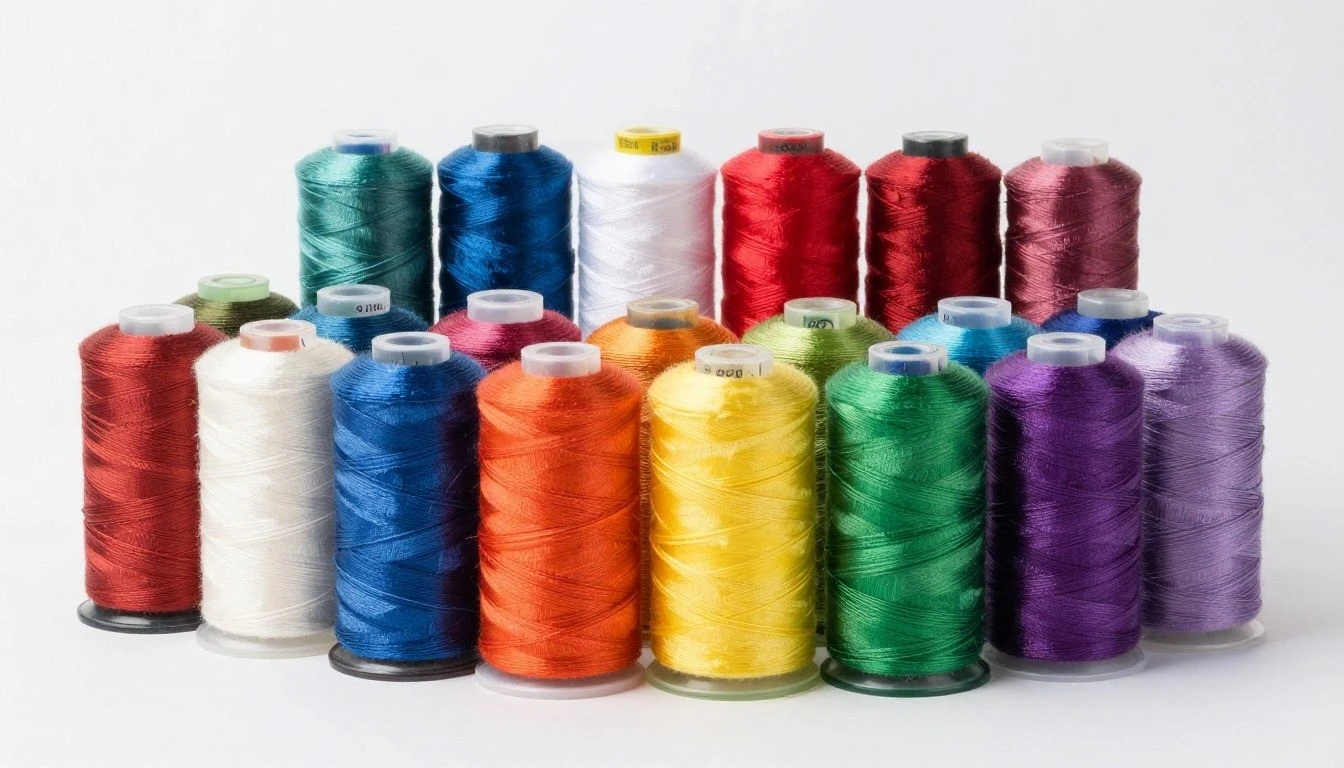
Tips: Cotton thread is easy for beginners. Start with simple threads and practice.
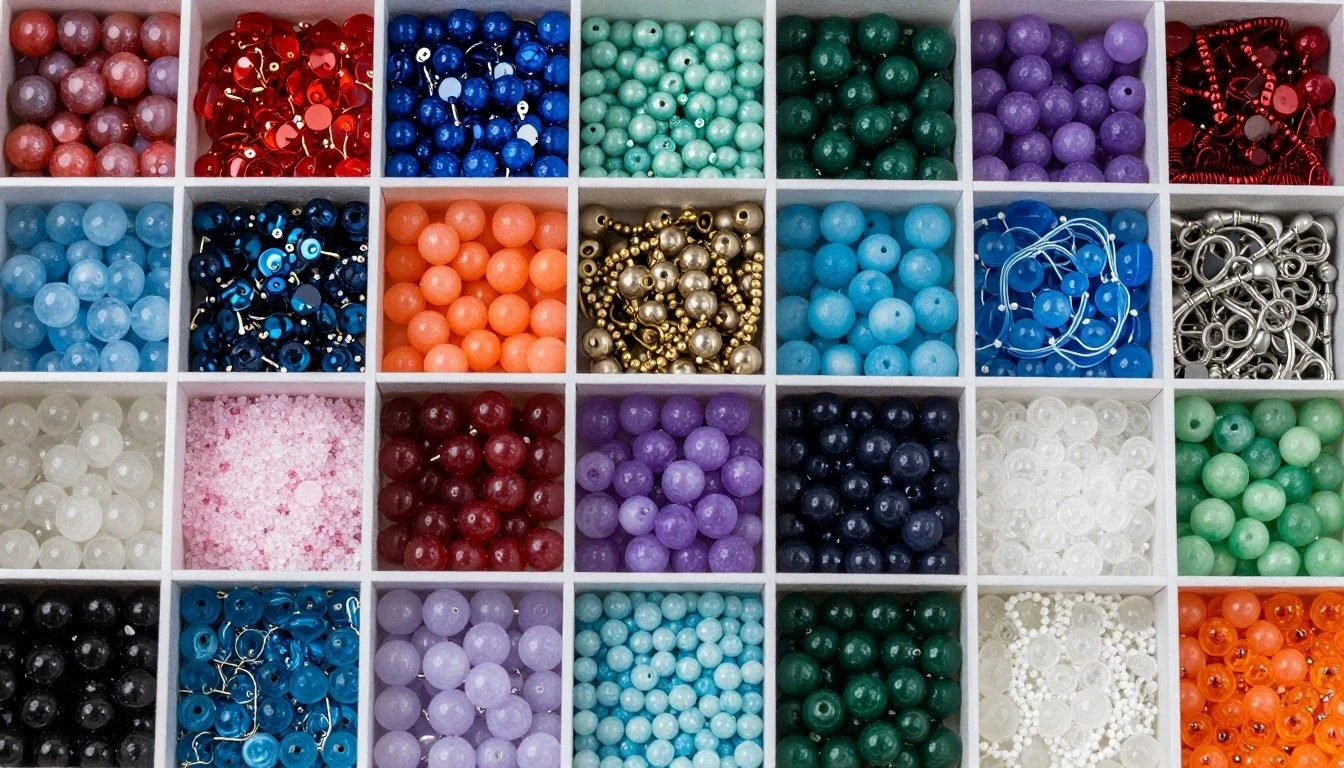
Beads and Stones
These are used to decorate your design. Beginners can start without them and add later when they feel confident.
Additional Tools and Accessories
Cutting and Measuring Tools
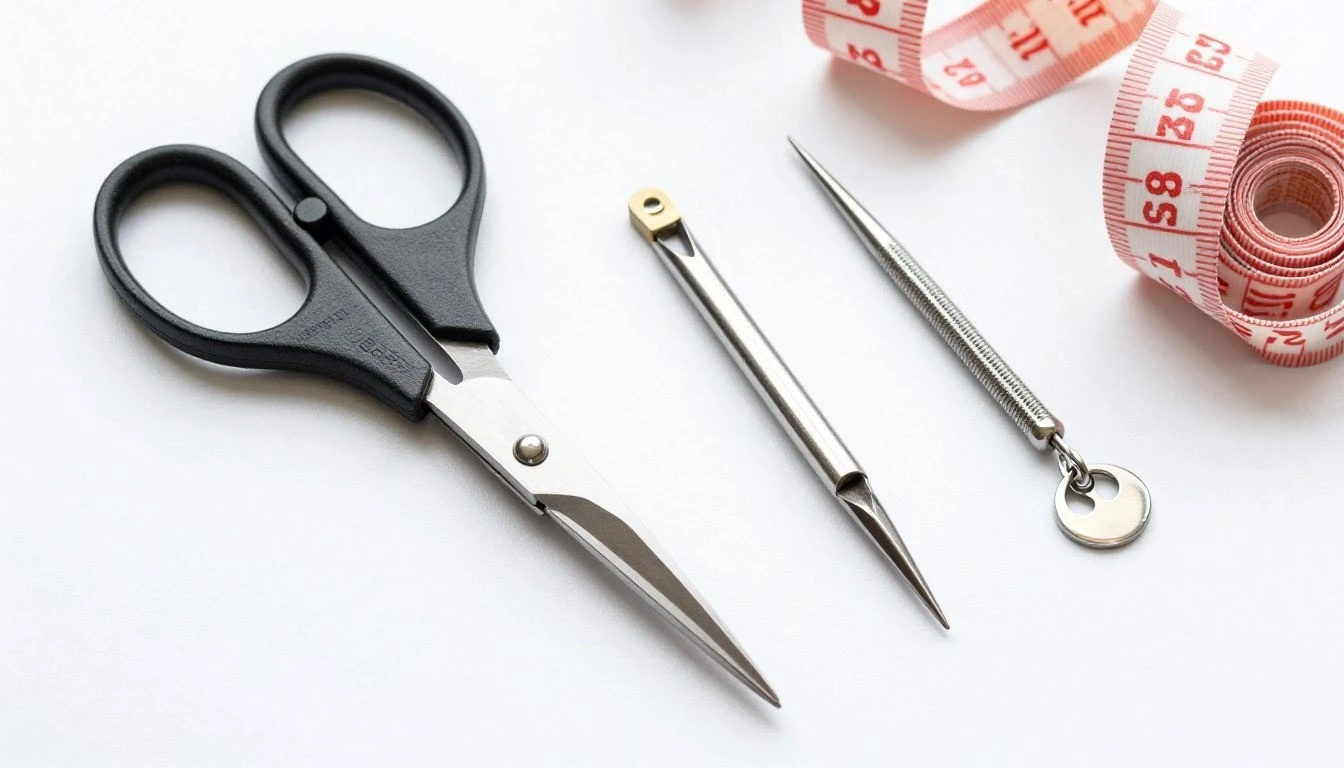
Sharp embroidery scissors are essential. Small, pointed tips reach tight spaces. Keep separate scissors for thread and fabric.
A thread cutter provides quick snips. Pendant-style cutters hang around your neck. This tool saves time during intensive work.
Must-Have Cutting Tools
- Sharp embroidery scissors
- Thread cutter pendant
- Fabric cutting shears
- Seam ripper for mistakes
Useful Accessories
- Measuring tape and ruler
- Marking pens and chalk
- Needle threader tool
- Magnifying glass for detail
How to Choose the Right Materials?
If you are a beginner, follow these simple tips:
- Start with basic and affordable materials
- Don’t buy too many items at once
- Choose easy-to-use tools
- Focus on quality, not just price
Buying the right materials will make learning easier and faster.
Common Mistakes to Avoid
Many beginners make these mistakes:
- Buying expensive materials without practice
- Choosing the wrong needle size
- Getting too many items at once
- Ignoring product quality
Avoid these mistakes to save money and learn better.
Where to Buy Aari Work Materials?
You can buy materials from local shops or online stores. But many local shops may not have all items or consistent quality.
For convenience, you can choose a trusted online store like Ray Aari Shop, where you can find a complete range of aari work and silk thread materials in one place. It is helpful for beginners because you can easily choose the required items and order from home.
Conclusion
Starting aari work is easy when you have the right materials. You don’t need to buy everything at once – just begin with the basics and practice regularly. As you improve, you can explore more tools and designs.
With the right materials and patience, you can create beautiful embroidery designs and even turn your skills into a small business.
FAQs
What materials are required for aari work beginners?
You need aari needle, thread, fabric, embroidery frame, and scissors.
Which needle is best for aari work?
A medium-size aari needle is best for beginners.
Can I start aari work at home?
Yes, you can easily start aari work at home with basic materials.
Where can I buy aari work materials online?
You can buy from trusted stores like Ray Aari Shop that offer quality materials and delivery across India.
Is aari work easy to learn?
Yes, with regular practice, beginners can learn aari work easily.